
Our Products
Precision wire solutions crafted for strength and reliability.
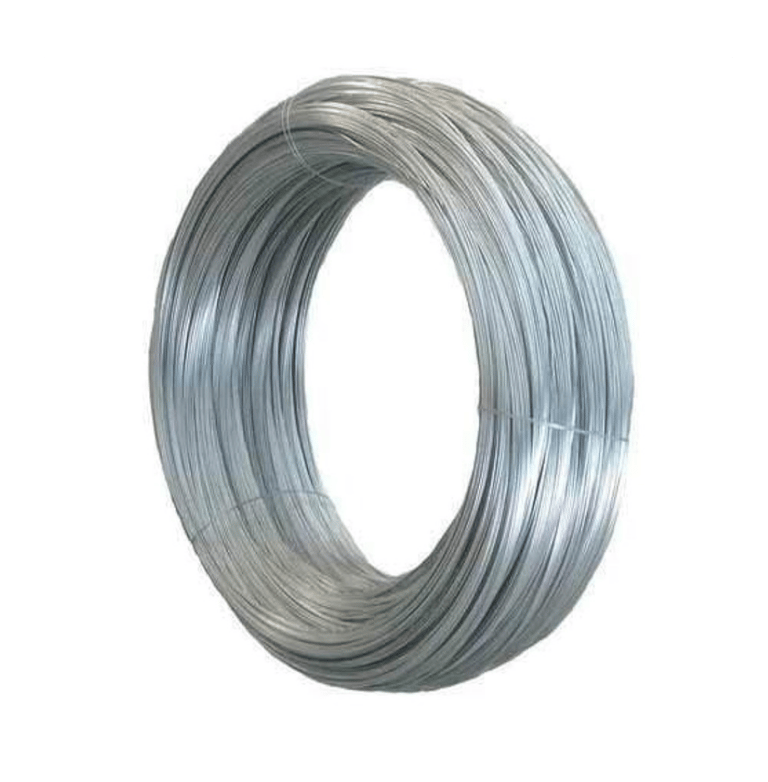
Galvanized Wire
(Galvanized Iron) wire is a steel wire coated with zinc to prevent corrosion and rust. This coating provides superior durability and resistance to environmental factors, making it suitable for various applications like binding, tie-binding, and other uses where strength and longevity are needed.
Corrosion Resistance: The zinc coating protects the wire from rust and corrosion, ensuring long-term durability.
Types: At Balaji Wire Manufacturing Company, we specialize in the production of Cold Dip GI Wire, also known as Electro-Galvanized Wire. This process involves applying a uniform zinc coating to mild steel wire through electroplating.
Cost-effective: While the initial cost might be slightly higher than uncoated wire, the long-term durability and corrosion make it a cost-effective option.
Easy to Handle: GI wire is easy to work with and can be bent and tied without significant difficulty. In summary, GI wire is a versatile and durable material with a zinc coating that protects it from corrosion making it suitable for various applications where strength, longevity, and rust resistance are crucial.
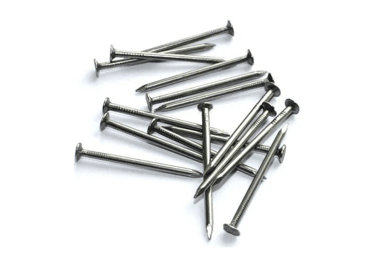
Wire Nail
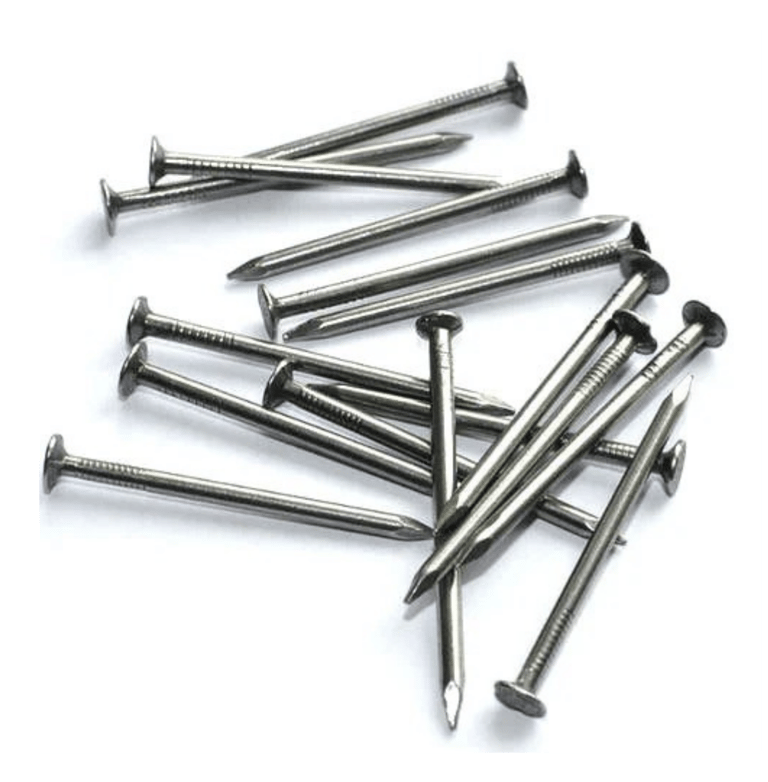
Crafted from high-quality steel, these nails are designed to offer secure fastening across a wide range of materials and projects. From furniture assembly and flooring to framing and roofing, steel fasteners ensure joints remain strong and reliable over time. Advances in manufacturing have enhanced their durability, making them resistant to corrosion and suitable for both indoor and outdoor use. A total choice of customizable choices for these Wire Nails is accessible from different sizes, ranging from 1inch to 6 inch.
Key Applications
Construction: Joining wall studs, roof trusses, decks, and subfloors; attaching baseboards, moldings, and trim; securing roofing felt.
Packaging & Crating: Assembling wooden pallets, crates, and boxes; fastening labels and tags to shipments.
Furniture Manufacturing: Assembling frames, attaching upholstery fabric, securing decorative trim.
Woodworking: General carpentry, plywood fixing, building wooden components.
Temporary Structures: Duplex-headed nails are used for formwork and scaffolding because their double heads allow for easy removal after temporary use.
BINDING WIRE
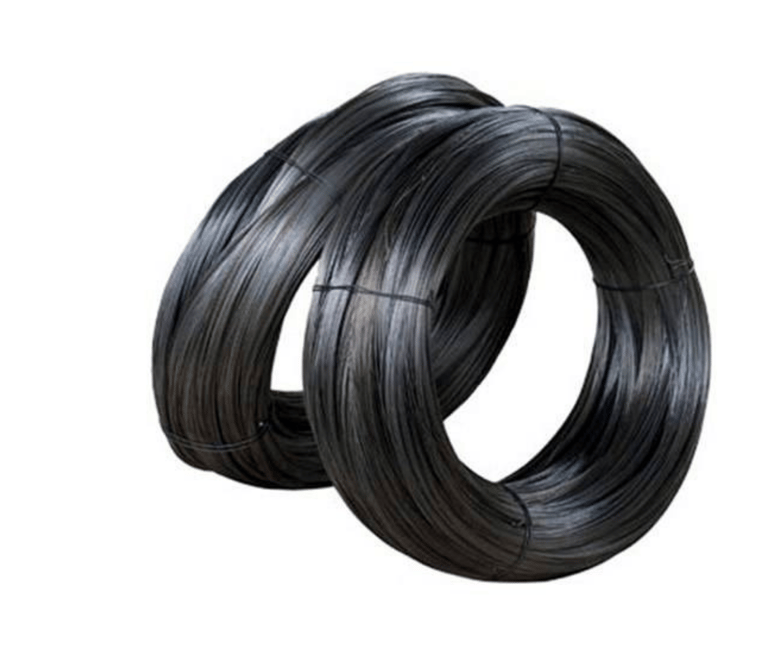
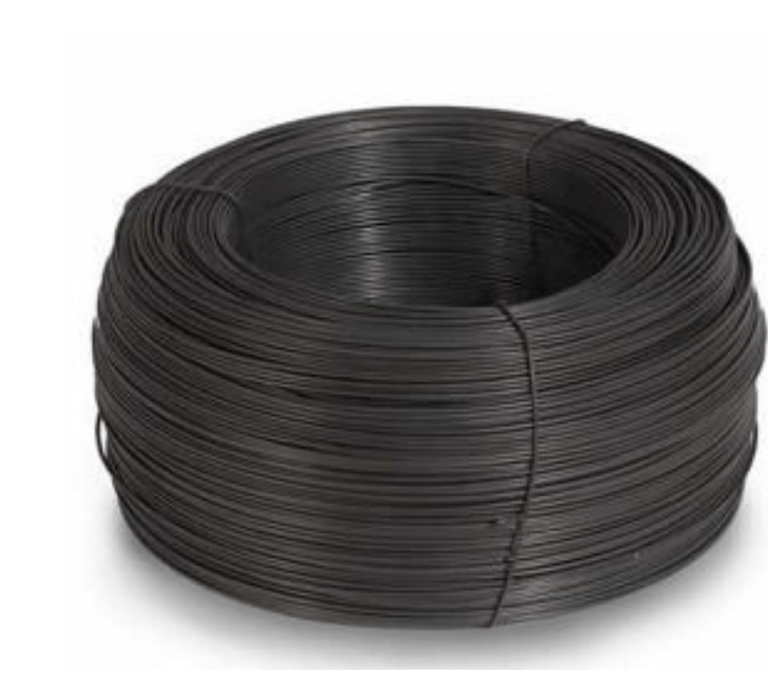
Binding wire is a thin, flexible steel wire used to secure rebar (reinforcement bars) in concrete structures, ensuring they stay in place during concrete pouring. It's also known as annealed wire or tying wire. Binding wire is made from mild steel and is often annealed to make it soft and pliable for easy tying.
Key characteristics: Material: Mild steel, often galvanized or coated for durability. Diameter: Typically ranges from 0.61 mm to 1.22 mm.
Process: Annealed to make it flexible and easy to bend.
Purpose: To secure rebar in concrete structures, ensuring they remain in the correct position during pouring. Uses of binding wire: Construction: Securing rebar in various concrete structures, including foundations, columns, beams, slabs, floors, and bridges.
Agriculture: Securing plants, fences, and trellises.
Crafting: Holding materials together in creative designs. Benefits of using binding wire: Structural integrity: Ensures rebar stays in place, providing the necessary tension and structural integrity once concrete sets. Stability: Helps maintain the correct spacing between rebars, preventing shifting or movement.
Durability: Galvanized or coated binding wire resists rust and corrosion, extending its lifespan. Cost-effectiveness: Provides a secure and reliable binding solution at a relatively low cost.
Flexibility: Easy to handle and bend, making it convenient for various applications.
BARBED WIRE
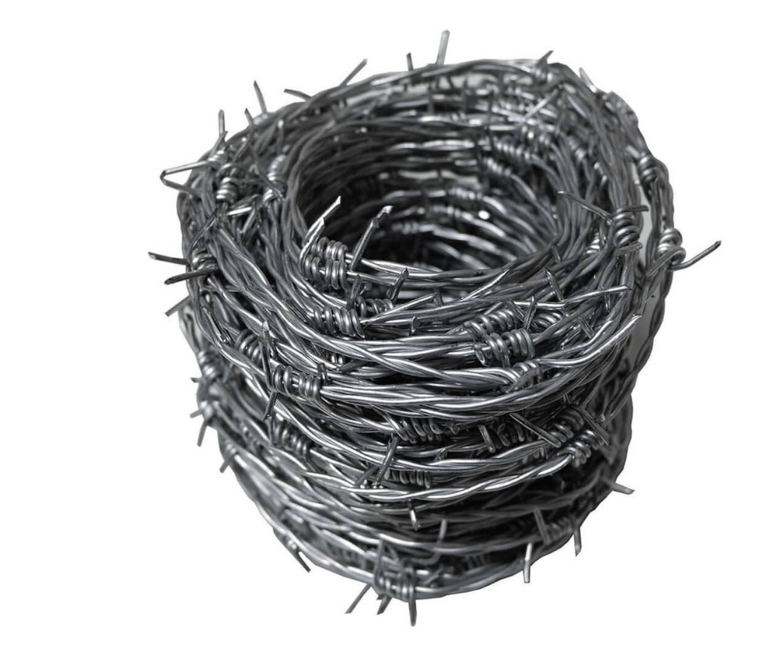
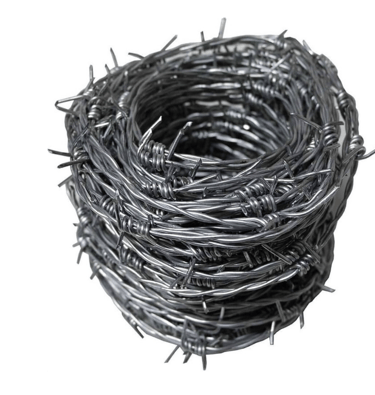
Barbed wire is a type of steel wire, primarily used for fencing, that has sharp, pointed projections, called barbs, spaced at regular intervals along its length. These barbs create a physical barrier that deters unauthorized entry and is commonly used to secure property or livestock.
Construction: Barbed wire typically consists of two strands of wire that are twisted together, with the barbs wound around one or both of these strands.
Purpose: Its primary function is to act as a deterrent, making it difficult and painful to climb or crawl over. Materials: It's often made of galvanized iron wire to prevent rust and corrosion.
Applications: It's widely used for fencing livestock, securing properties, and as a security measure on walls or fences.
Historical Significance: Barbed wire has been a key feature of fortifications, particularly during trench warfare.
Cost-Effectiveness: Barbed wire is a relatively inexpensive and easy-to-install fencing material.
Variations: There are different types of barbed wire, including two-point and four-point barbs, and variations in barb spacing and wire gauge.
ANNEALED WIRE
Annealed wire is a soft, pliable wire made from low carbon steel, hardened through a heat treatment process (annealing) that enhances its ductility and reduces brittleness. This process makes the wire easy to bend, twist, and work with, while maintaining its strength. Annealed wire is commonly used in applications requiring flexibility and formability, such as construction, agriculture, and industrial tasks.
Ductility: Annealed wire is highly ductile, meaning it can be stretched, bent, and twisted without breaking.
Formability: Its ductility allows it to be easily formed into various shapes and structures.
Softness: Annealing makes the wire softer and easier to work with compared to unannealed wire.
Strength: While softer, annealed wire still maintains sufficient strength for its intended applications.
Versatility: Annealed wire can be used for a wide range of applications, including construction (reinforcing bars, binding materials), agriculture (fencing, trellises), and manufacturing (wire mesh, cables
Ease of handling: Annealed wire is easier to handle and work with due to its softness and ductility.
Durability: Despite its flexibility, annealed wire remains durable enough for many applications.
CHAINLINK FENCE
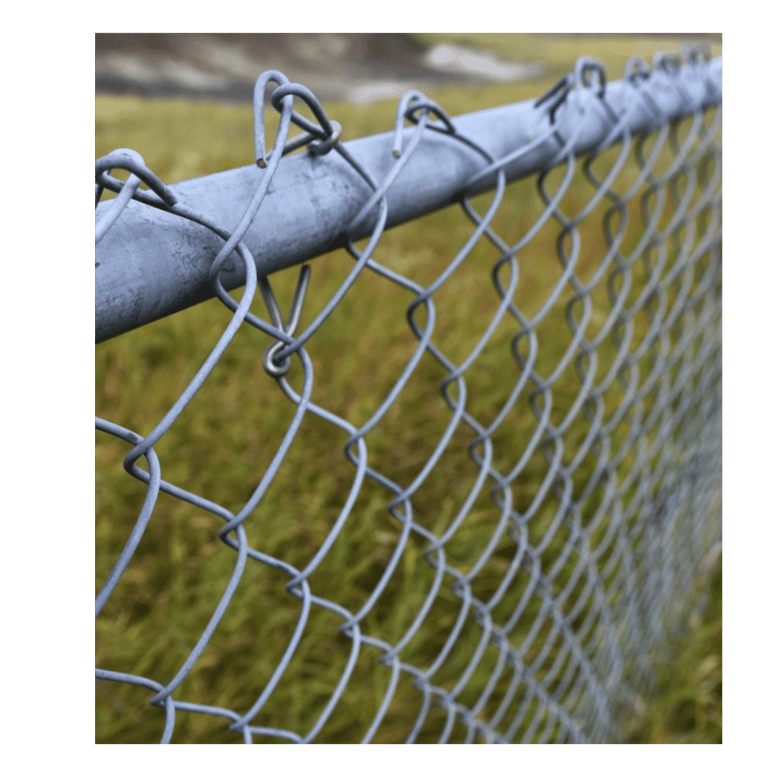
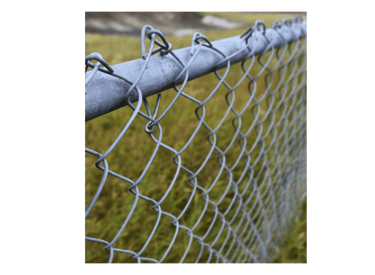
Galvanized Iron Chainlink Fence are made from galvanized Steel Wires that are woven together to form the fence panels. The weave pattern is important as it helps provide extra tensile strength to the fence. This makes it very durable against strong impact forces like those caused by high winds or falling objects such as branches. Chain link fences are also very versatile. They can be used to create barriers for a variety of purposes, such as security, privacy or containment. And because they are made of galvanized steel, they are also resistant to rust and corrosion, making them a good choice for outdoor applications.
Benefits of GI Chain Link Fence
Corrosion resistant : The zinc coating helps to protect the steel core from corrosion, making it ideal for use in outdoor applications.
Long lifespan : The galvanization process helps to protect the wire from rust and corrosion, making it a long-lasting solution.
Strong and durable : Chain link fences are made of Hot Dipped Galvanized Wire because it is strong and can withstand weathering and wear and tear.
Easy to Install: The smooth surface of the wire makes it easy to install, as it does not snag or catch on equipment.
GABION BOX
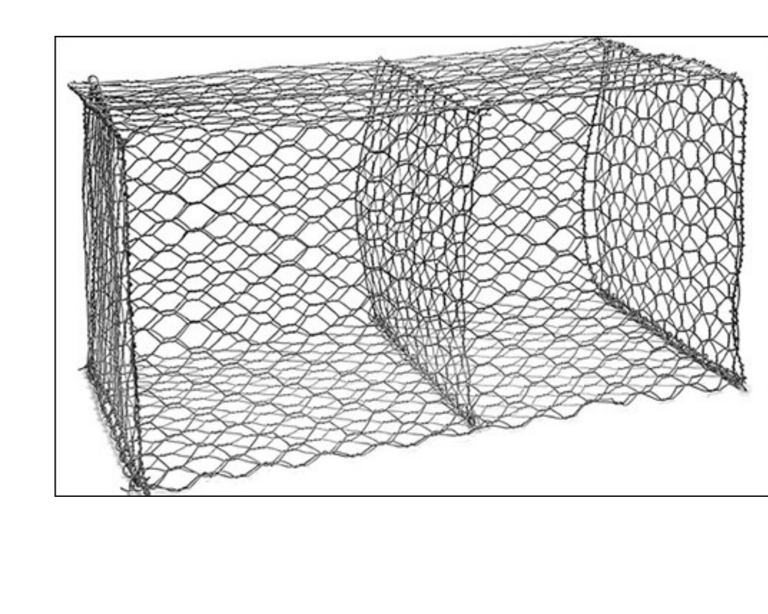
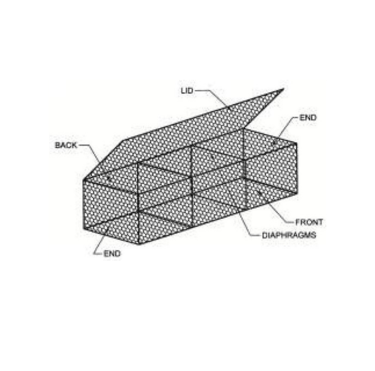
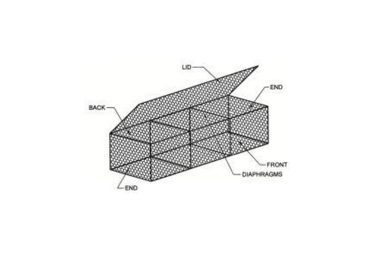
Gabion Boxes are rectangular structures made of double twisted, hexagonally woven steel wire mesh. They comprise of compartments separated by internal diaphragm walls. The boxes are filled with natural stone at the project site to form structures that are solid, flexible, durable and permeable.
Gabion boxes are applicable wherever there is a requirement for earth retentionand reinforcement. They are used as retaining walls, water channel linings, river barriers, for protection of railways and roadways, weirs, revetments, slope protection and for flood control and erosion control.
Their anti-corrosion properties our Gabion Boxes are as per the specifications of IS 16014. They come in a variety of sizes and are either PVC coated or Zinc coated according to the project requirements.
We take particular care to conform to technical specifications and strength requirement for each Gabion box project that we are entrusted with. Our attention to detail and firm commitment to quality make us a world-class manufacturer of Gabion boxes.
SACK GABION
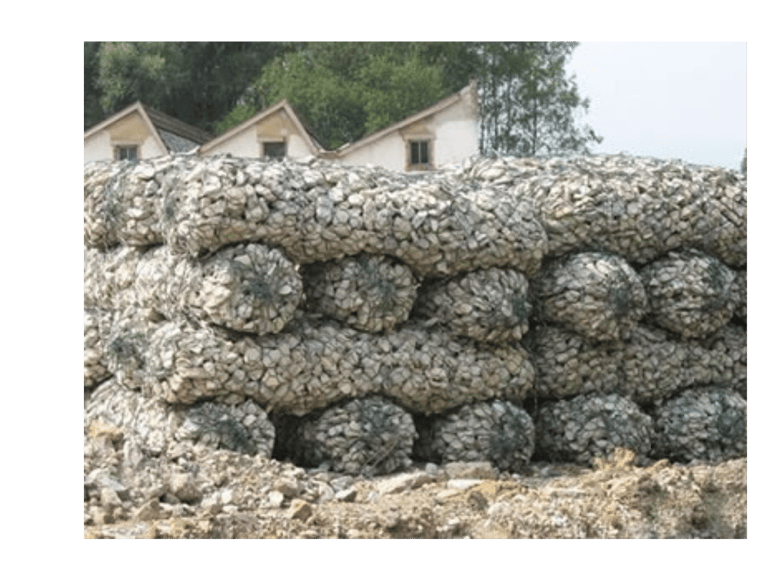
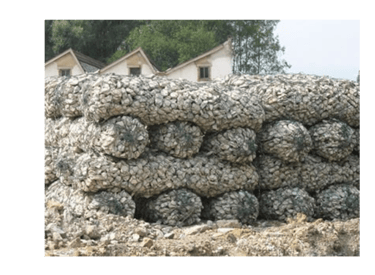
Sack Gabion is a type of cylindrical gabion basket. The high quality materials can be made into solid structure sack gabions, which can be used in the river banks and other emergency construction sites. It can prevent the river or flood erosion, it can also protect the bridges and piers.
Structure of Sack Gabion The sack gabion has a solid and durable structure. The sack gabion consists of mesh wire, selvedge wire, lacing wire, reinforced wire and tie wire. The mesh wires are produced into a series of double twist hexagonal shapes sheet. Then the sheet will be wrapped by the thicker selvedge wire to form a reinforced cylindrical basket. And both end of the sack gabions will be added lacing wire, which is used to bind the gabion. There are reinforcing wires inserted when producing the sack gabion to facilitate closing during installation.
Features of Sack Gabion
Reinforced wire insert. Reinforced wires are inserted to facilitate closing during installation.
Good flexibility and permeability. Will not be destroyed by the rapid floods. Withstand large-scale deformation and does not collapse.
Resistance to the natural destruction and poor weather. Can maintain the good performance in the salty or other harsh environments.
HIGH TENSILE WIRE MESH WITH WIRE ROPE FOR MOUNTAIN PROTECTION
High-tensile wire mesh with wire rope forms a flexible and durable system for rockfall protection and slope stabilization in mountainous terrains and high-risk areas.
This geotechnical solution is typically manufactured from high-strength, corrosion- resistant galvanized or PVC-coated steel wires, engineered to absorb significant impact energy from falling rocks or debris.
The mesh, often used in draped or anchored configurations with rock bolts and support ropes, is a cost-effective alternative to rigid barriers.
Its primary function is to secure loose rock masses, prevent erosion, and guide debris in a controlled manner, thereby protecting critical infrastructure like roads, railways, and urban developments while minimizing environmental impact.
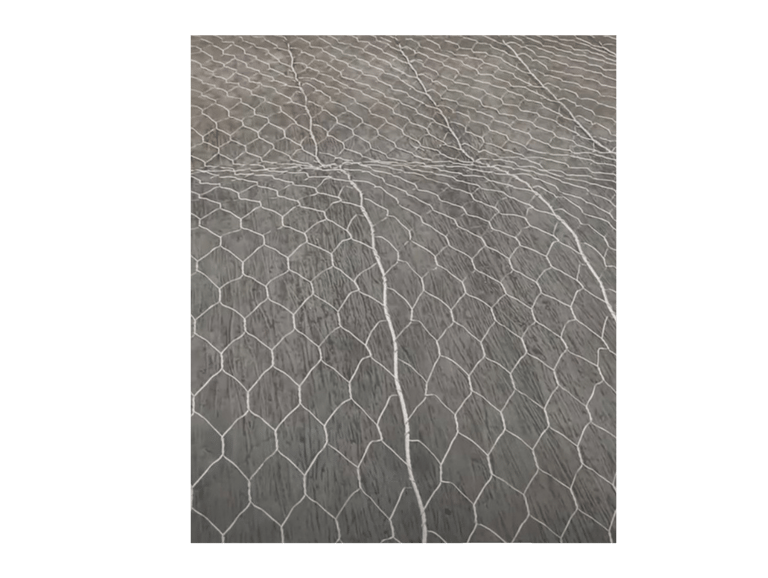
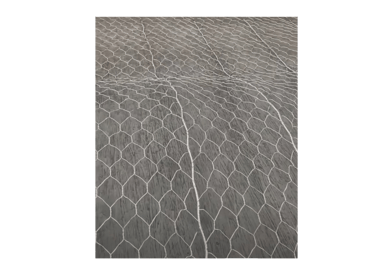
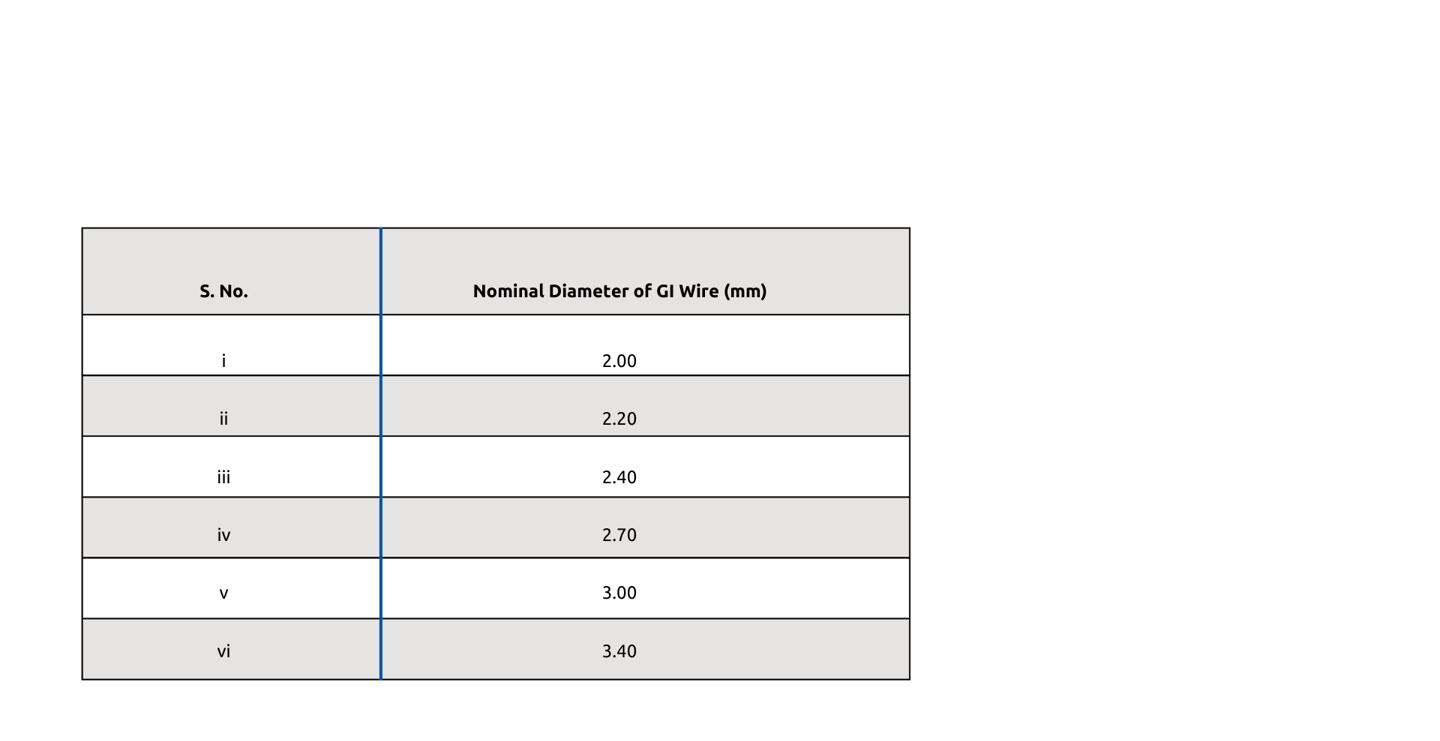
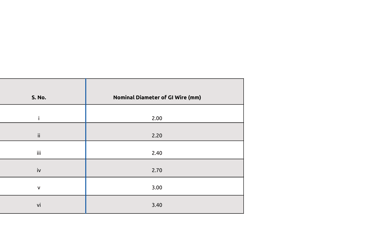
DIFFERENT WIRES USED IN GABION, REVET MATTRESS & ROCKFALL NETTING
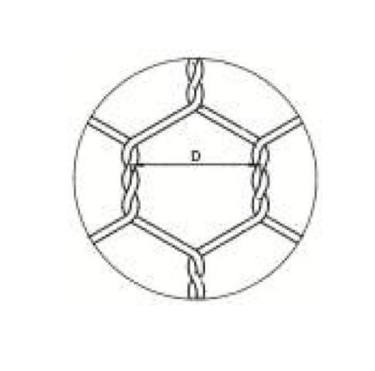
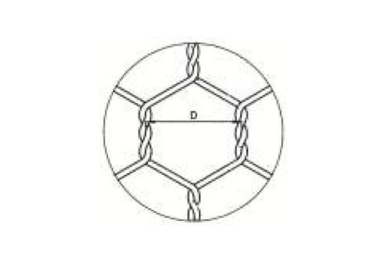
MESH & BOX CHARACTERISTICS
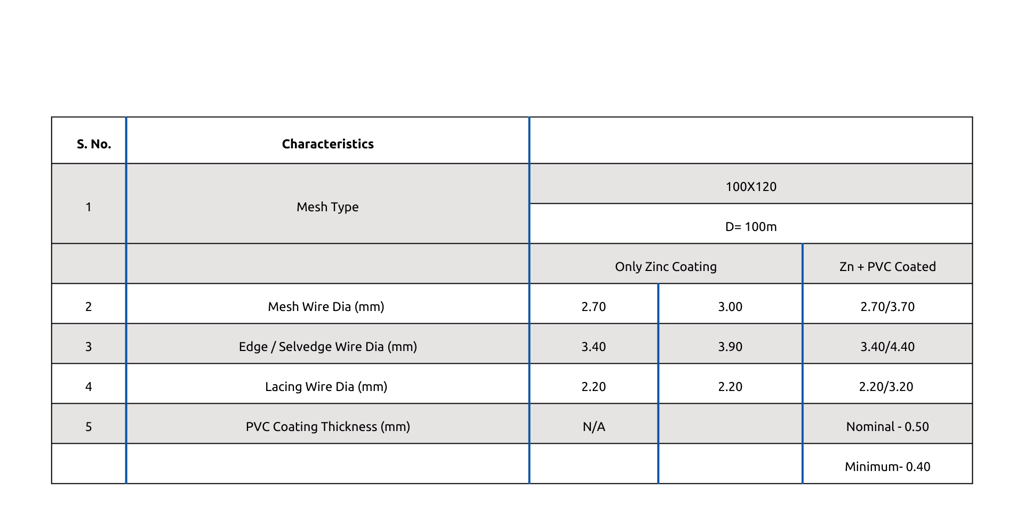
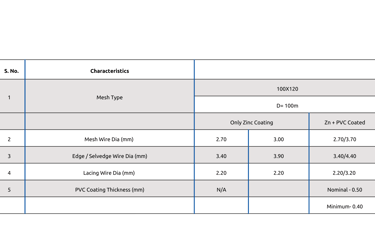
The figures are only for reference and may vary as per the actual requirement
COMMONLY USED GABION BOXES
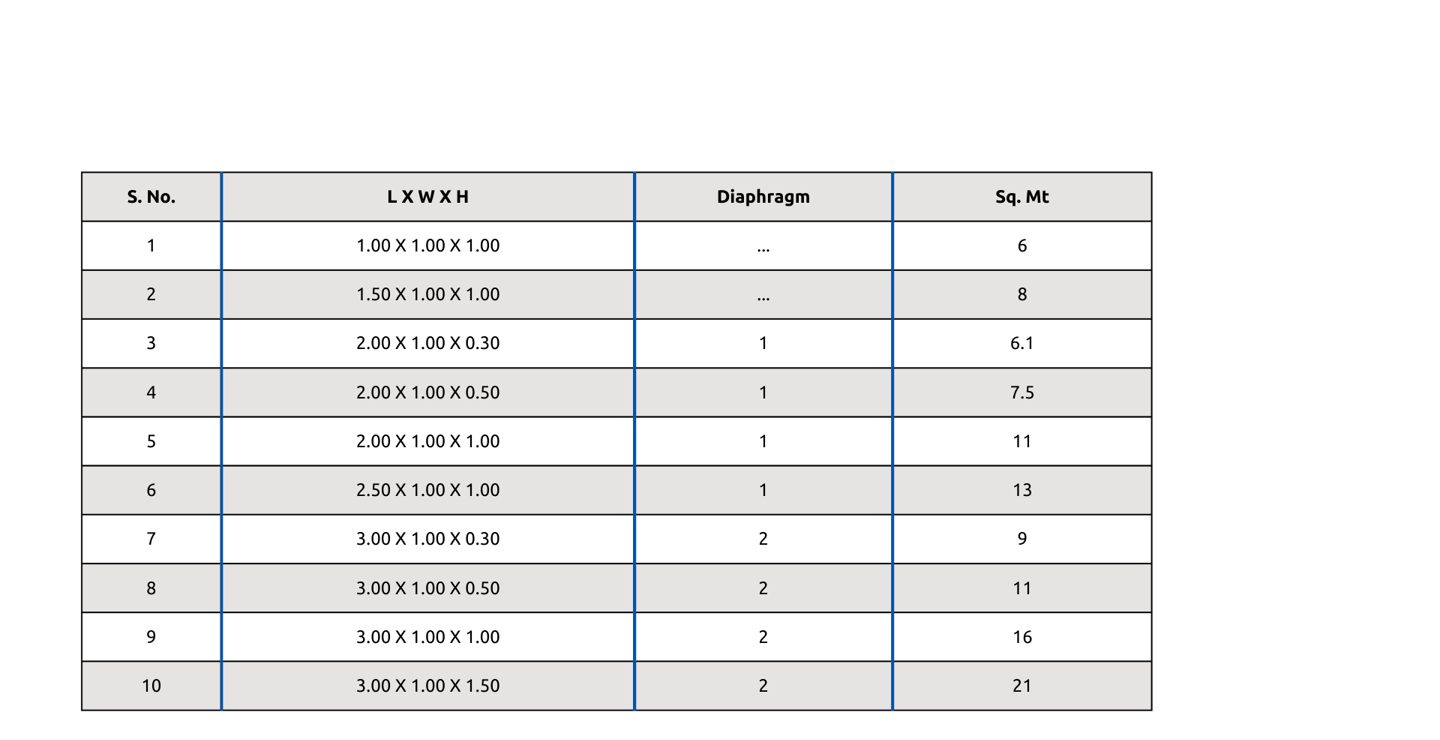
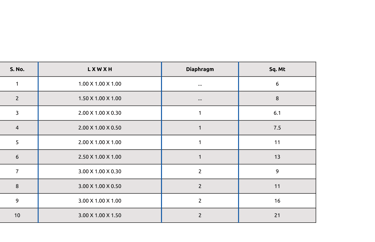
L×W×H & Diaphragm mentioned here are only for reference and are varied as per requirement.
Area Calculation : L X 2(W+H)+(2+No of Diaphragm)XW X H
Example :- Box Size : 3.00 X 1.00 X 0.30 • 3X2(1+0.3)+ (2+2)X1X0.3=9
Contact
Industrial Estate, Pathsala, Dist- Bajali, Assam- 781325
Kamalpur, Kamrup, Assam- 781380
Phone
info@bamwires.com
70024-22245
93959-23755
93955-13753
© 2026. All rights reserved.